Source potassium polyacrylate for agriculture, hygiene, and construction
Compare 23 verified listings for potassium polyacrylate from Chinese manufacturers. Buyers can evaluate specifications like purity, absorption rates, and packaging options to find suitable suppliers for industrial applications.
Key considerations
Products List




Comprehensive Sourcing Guide
Strategic Sourcing Guide for Potassium Polyacrylate Procurement
Understanding the Material and Technical Specifications
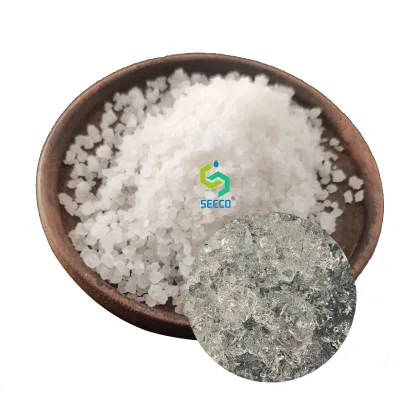
Potassium polyacrylate is a specialized super absorbent polymer (SAP) characterized by its ability to absorb and retain significant amounts of water relative to its own mass. When sourcing this material, buyers must first distinguish between the various physical forms available in the market. The supplied product data indicates that the material appears in multiple states, specifically as a Powder or Granule. The granular form is often preferred for agricultural applications to ensure even distribution in soil, while the powder form may be utilized in industrial manufacturing processes where blending is required.
The chemical structure of this polymer is a critical factor in its performance. The molecular principal chain is identified as a Heterochain Polymer in some listings, while others specify a Carbon Chain Polymer. This variation suggests that different manufacturing processes or specific product grades (such as the HA10100, WSC5010, or KB10110 models) may possess distinct backbone structures that influence their thermal stability and absorption kinetics. The chemical formula is generally represented as (C3H6O2)n.(C3H5KO2)m, indicating a copolymer structure involving acrylic acid and potassium hydroxide.
Purity levels are a primary specification for buyers. The observed data points to high-grade materials with purity ranging from 99% to 99.98%, with some listings claiming 100% purity. For applications requiring strict chemical consistency, such as in pharmaceuticals or high-end cosmetics, verifying the exact purity percentage is essential. The physical properties are described as Non-Toxic, Harmless, and Non-Polluting, aligning with the Environmental Protection: Yes attribute observed in the supply chain. The pH of the final solution typically falls within the 6.0-7.5 range, making it suitable for sensitive biological environments like plant root systems.
Compliance, Certification, and Regulatory Verification
In the global B2B market, compliance is not merely a formality but a prerequisite for market access and liability protection. The supplied product information highlights several key certifications that buyers should verify during the supplier selection process. These include ISO, TUV, MSDS, RoHS, and COA (Certificate of Analysis). The presence of these certifications suggests that the manufacturer adheres to international quality management systems and safety standards.
Buyers must understand the distinction between the certifications listed and general industry standards. While specific product listings mention ISO and RoHS, general background knowledge often associates these materials with ISO 9001 for quality management and REACH for chemical registration in Europe. However, without explicit confirmation in the product data, buyers should not assume a specific supplier holds these certifications. Instead, the procurement strategy should involve a direct request for the Certificate of Analysis (COA) and Material Safety Data Sheet (MSDS) for every batch purchased.
The CAS No. 25608-12-2 and EINECS No. 232-475-7 are unique identifiers that must be present on all documentation. These numbers confirm the chemical identity of potassium polyacrylate and are essential for customs clearance and regulatory compliance in international trade. The Environmental Protection: Yes attribute indicates that the product is designed to minimize ecological impact, but buyers should verify if the manufacturing process itself meets local environmental regulations in the destination country.
Cost Drivers and Pricing Dynamics
The pricing for potassium polyacrylate is highly variable, influenced by raw material costs, production scale, and logistics. The observed market data reveals a wide price range, from $0.50 to $3,500 USD. This significant disparity is not necessarily indicative of quality differences alone but reflects the unit of measurement and the quantity purchased. For instance, a price of $0.50 likely refers to a per-kilogram cost for bulk industrial orders, whereas the $3,500 figure may represent a specialized containerized shipment or a specific high-purity grade with additional processing.
The Minimum Order Quantity (MOQ) is a critical cost driver, ranging from 1 unit to 5,000 units. Suppliers offering an MOQ of 1 may cater to research and development labs or small-scale agricultural pilots, while those requiring 5,000 units are targeting large-scale industrial contracts. Buyers must calculate the total cost of ownership, which includes the unit price, shipping, and handling fees. The Shipment Date of 25 Days observed in the data suggests a standard lead time that must be factored into inventory planning.
Packaging also impacts the final cost. The data lists various packaging options, including 20kg/PCS, 750kg/PCS, 25kg, and bulk options like Paper Bag or PP Bag. The choice between a Jar, Buket, or Bag affects the unit price due to the cost of the packaging material and the labor involved in filling. For large-scale agricultural use, the 750kg/PCS option offers the most economical shipping rate per kilogram, whereas the 20kg bag is more suitable for retail or smaller commercial applications.
Typical Applications and Functional Performance
The functional capabilities of potassium polyacrylate define its utility across diverse industries. The primary function is listed as Absorbing, Retaining, or Block Water, making it a critical component in agriculture, hygiene, and construction. In the agricultural sector, the product is often marketed as potassium polyacrylate hydrogel for plants. Its ability to retain water reduces irrigation frequency and improves crop yield in arid regions. The Heat Resistance attribute suggests that the polymer can maintain its structural integrity under elevated temperatures, which is vital for applications in hot climates or during industrial processing.
The Super Absorbent Polymer (SAP) designation is frequently used in the context of hygiene products, such as diapers and sanitary napkins, where the material's ability to lock away moisture is paramount. However, the specific mention of Secco SAP as a brand name and the RH AGR and RH 200-900 models points to a strong focus on agricultural and environmental applications. The LD series and SP401 models may serve specialized industrial needs, such as water blocking in cables or soil stabilization.
The Physical Property of being Non-Toxic and Non-Polluting is particularly relevant for applications involving food contact or direct soil interaction. Buyers in the food and beverage industry must ensure that the specific grade of potassium polyacrylate they select is approved for such use, even if the general product description claims safety. The Function: Heat Resistance is also crucial for construction applications where the material might be exposed to sunlight and high ambient temperatures without degrading.
Supplier Evaluation and Origin Verification
Geographic origin plays a significant role in the sourcing strategy for potassium polyacrylate. The supplied data indicates that products originate from multiple regions in China, including Guangdong, Henan, and Anhui. Each of these provinces has a distinct industrial ecosystem. Guangdong is known for its advanced manufacturing and export infrastructure, while Henan and Anhui are major agricultural and chemical production hubs. Buyers should evaluate suppliers based on their proximity to raw material sources and their logistical capabilities.
When evaluating a supplier, the Customization: Available attribute is a key differentiator. Suppliers that offer customization can tailor the particle size, absorption rate, and packaging to specific buyer requirements. This flexibility is essential for companies developing proprietary products or those with unique application constraints. Buyers should inquire about the supplier's ability to modify the Molecular Principal Chain or adjust the pH levels to meet specific project needs.
The Sample: Free Sample for Testing policy is a standard practice that allows buyers to verify the quality of the product before committing to a large order. This is particularly important given the wide range of purity levels and models available. Buyers should request samples of the specific model number (e.g., HA10100 or WSC5010) to conduct their own absorption and retention tests. The availability of a free sample indicates a supplier's confidence in their product quality and their willingness to engage in a transparent procurement process.
Quality Control and Long-Term Procurement Considerations
Ensuring consistent quality is paramount in long-term procurement relationships. The Product Type is consistently listed as Synthetic Resin And Plastics, but the specific Model Number (e.g., SAP, RH AGR, LD series) dictates the exact performance characteristics. Buyers must establish a rigorous quality control protocol that includes verifying the purity against the stated 99% or 99.98% benchmarks. Regular testing for the pH range of 6.0-7.5 is also necessary to ensure the material remains within safe limits for its intended application.
The prod_packing specifications, such as 20kg per bag or 750kg per PCS, must be strictly adhered to during shipping to prevent moisture absorption, which can degrade the polymer's performance. The Standard of 20kg or KG indicates that weight is a critical metric for quality assurance. Buyers should implement a system to verify the weight and integrity of each package upon receipt.
For long-term procurement, buyers should consider the Shipment Date of 25 Days as a baseline for supply chain planning. However, they must also account for potential delays due to raw material shortages or logistical challenges. Establishing a relationship with a supplier who offers Customization and maintains a robust Certificate portfolio (including ISO, TUV, MSDS) will mitigate risks associated with quality fluctuations. The Environmental Protection status should be reviewed annually to ensure continued compliance with evolving global environmental regulations.
Comparative Analysis of Product Models
To facilitate informed decision-making, the following table summarizes the key attributes of the observed product models and specifications. This comparison highlights the diversity in packaging, purity, and functional claims available in the market.
| Product Model | Appearance | Purity | Packaging | Origin | Key Attribute |
|---|---|---|---|---|---|
| HA10100 | Powder | Not Specified | 20kg/PCS or 750kg/PCS | Guangdong, China | Heterochain Polymer |
| WSC5010 | Powder | Not Specified | Jar, Buket, Bag | Not Specified | Heat Resistance |
| KB10110 | Powder | Not Specified | Not Specified | Not Specified | Carbon Chain Polymer |
| SP401 | Granule | 100% | Not Specified | Not Specified | Super Absorbent Polymer |
| RH AGR | Not Specified | Not Specified | 25kg | Not Specified | Agricultural Focus |
| RH 200-900 | Not Specified | ≥99% | Not Specified | Not Specified | High Purity |
| LD Series | Powder/Granule | 99.98% | Paper Bag or PP Bag | Anhui, China | Synthetic Resin |
| Secco SAP | Powder | Not Specified | Not Specified | Henan, China | Potassium Polyacrylate Hydrogel |
This table illustrates that while the core chemical identity remains consistent, the physical form, purity, and packaging vary significantly. Buyers must align these specifications with their specific application requirements. For instance, a buyer requiring high purity for a sensitive application might prioritize the LD Series or RH 200-900, while an agricultural buyer might focus on the RH AGR or Secco SAP models. The Appearance (Powder vs. Granule) is a decisive factor for application suitability, with granules generally preferred for soil application and powders for industrial blending.
In conclusion, sourcing potassium polyacrylate requires a meticulous approach that balances technical specifications, regulatory compliance, and cost efficiency. By leveraging the detailed product data provided and maintaining a rigorous quality control framework, buyers can secure a reliable supply of this versatile polymer for their specific industrial or agricultural needs.
FAQs
What is the typical purity level of potassium polyacrylate?
Purity levels typically range from 99% to 99.98%, with some grades claiming 100%. Buyers should verify the specific percentage via a Certificate of Analysis for high-precision applications.
How is the product packaged for shipment?
Packaging options include 20kg bags, 750kg bulk units, jars, or paper and PP bags. The choice depends on whether the buyer needs retail quantities or industrial bulk volumes.
Which certifications are commonly available for this polymer?
Common certifications include ISO, TUV, RoHS, and MSDS. Buyers must request these documents to ensure compliance with international safety and quality standards before placing orders.
Can buyers request free samples for testing?
Yes, many suppliers offer free samples for testing purposes. This allows buyers to verify absorption rates and physical properties before committing to a large-scale purchase order.
What is the standard lead time for shipment?
The standard shipment date is approximately 25 days from order confirmation. Buyers should factor this lead time into their inventory planning and supply chain scheduling.
Which origin locations supply this material?
Products originate from Chinese regions including Guangdong, Henan, and Anhui. Guangdong offers advanced manufacturing, while Henan and Anhui are major chemical and agricultural production hubs.
What is the minimum order quantity for purchase?
Minimum order quantities range from 1 unit to 5000 units depending on the supplier. Small MOQs suit research labs, while large volumes target industrial contracts.